
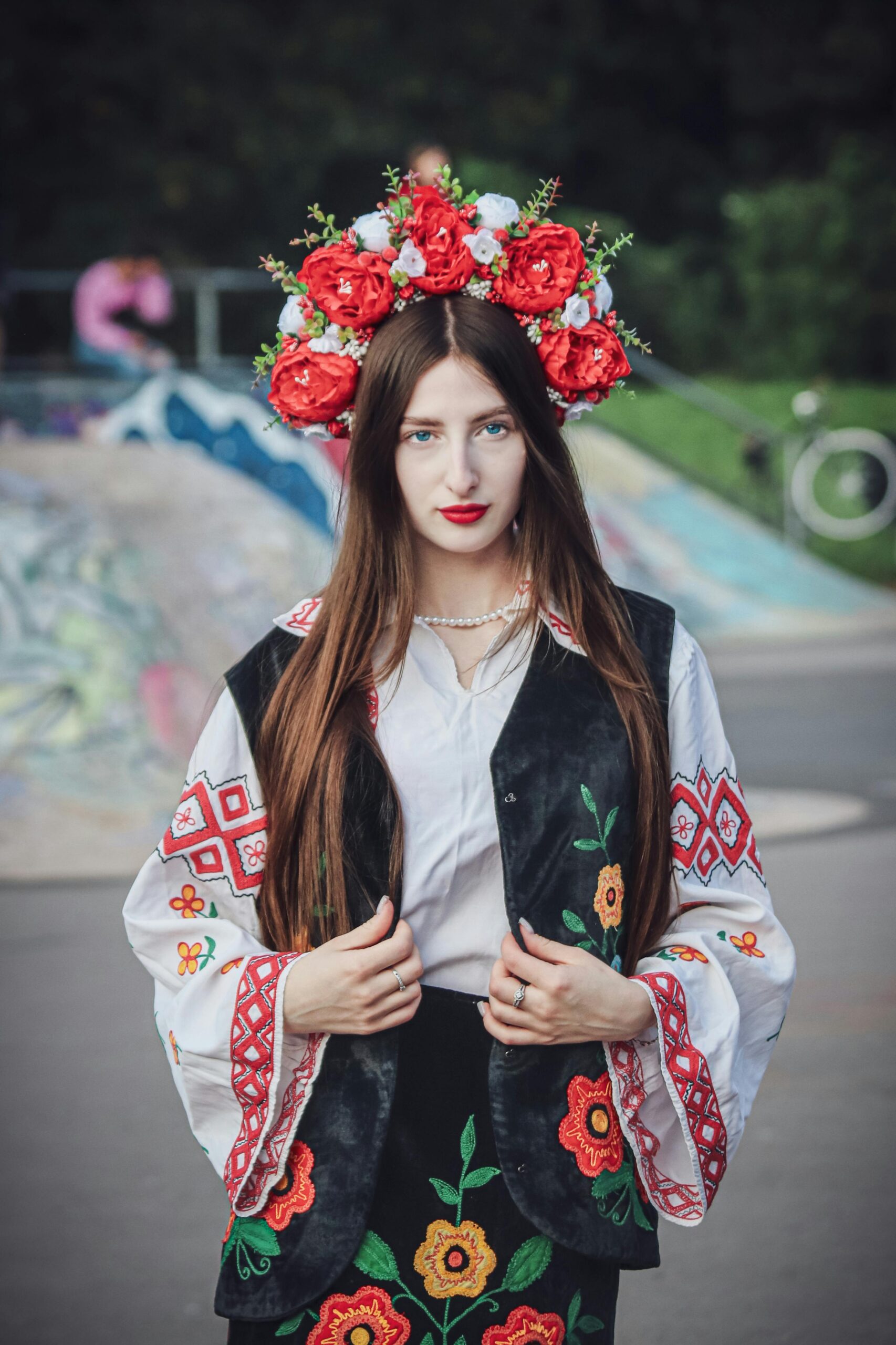
Imagine this: you find yourself in front of your closet on a Monday morning, already five minutes behind schedule. You have choices—plenty of them—but none of the garments in front of you seem to fit properly. It’s more than simply coordinating colors or choosing something simple. What you are truly contemplating is, “Which outfit will make me feel like the person I need to be today?”
That’s the heart of clothes as identity. It’s more than style; it’s a narrative. Each shirt, jacket, or pair of shoes you wear conveys a message about your identity—or the person you strive to be. At times, it involves wearing a power suit to exude confidence. At other times, it’s putting on your favorite old hoodie because comfort is the only mood you want. In any case, your attire serves two purposes: it protects your body while also showcasing your character.
The Quiet Messages Clothes Send
We often overlook it, yet our clothing communicates even before we say a word. Picture two unfamiliar people entering the same coffee shop. Dressed in polished office attire—crisp pants, glossy footwear, and a blazer that communicates “I have a meeting in 10 minutes.” The other winds come dressed in torn jeans, stacked necklaces, and a bag splattered with paint.
Without exchanging a word, you’ve already made a mental note of their identities. The first feels professional, maybe a little serious. The second? Creative, free-spirited, maybe even rebellious. That’s the subtle magic of clothing—it sends tiny signals about us to the world around us.
When we talk about clothes as identity, we’re really talking about these little messages, the ones that shape first impressions and even influence how people treat us.
Why Our Clothes Feel So Personal
Fashion may appear superficial to onlookers, but truthfully, it’s intimate. Actually, it’s among the most intimate activities we engage in each day. You can reside in a place you didn’t design, dine in establishments someone else arranged, but your clothing that’s a choice you make daily, right down to the socks.
Consider Billie Eilish, for instance. When she initially gained popularity, her baggy clothes weren’t merely an eccentric choice. They served as armor, a way of expressing, “You cannot define me through my physical form.” Conversely, Steve Jobs wore the same black turtleneck and jeans daily. That wasn’t lack of effort—it was selfhood. It stated, “I appreciate simplicity, concentration, and reliability.”
Many of us exist in a state of balance, trying out different styles based on our emotions, ambitions, or the atmosphere of the day. However, whether we are aware of it or not, we constantly express ourselves through our clothing.
Dressing for the Future Self
Here’s a small reality we seldom discuss: at times, we don’t merely dress for our current selves—we dress for our desired selves.
Have you ever realized that putting on workout attire boosts your motivation to exercise? Or how donning a sharp shirt while working remotely surprisingly enhances your concentration compared to being in pajamas? It’s not a matter of chance—it’s psychology.
There’s a specific term for it: enclothed cognition. Elegant wording, straightforward concept. The clothing you choose can affect your thoughts and actions. To boost your confidence, wear something that encourages you to stand tall. If you’re looking for excitement, experiment with outfits you usually don’t choose. In other terms, your wardrobe can serve as a resource to help you get nearer to the version of yourself that you’re still developing.
That’s an additional layer of clothing as identity—they not only showcase who we are currently, but they also assist us in preparing for who we’re evolving into.
The Cultural Layer of Clothing
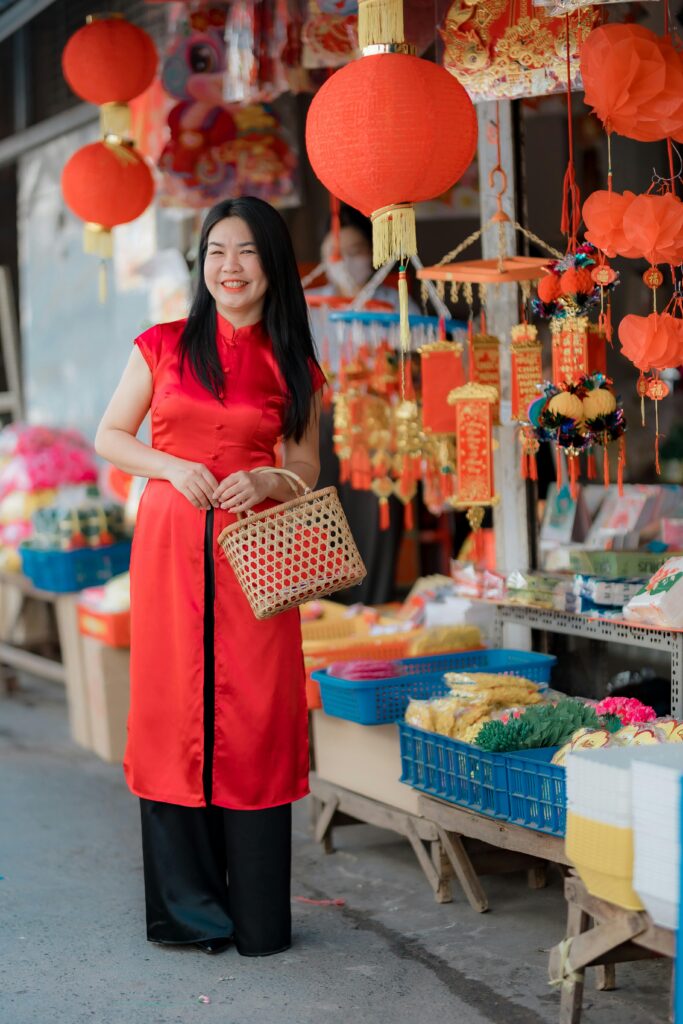
Of course, identity doesn’t exist in a vacuum. Where you come from plays a huge role in how you dress. Clothing often carries history, traditions, and cultural pride. A sari, a kilt, a kimono—these aren’t just beautiful garments; they’re part of cultural storytelling passed through generations.
But fashion today is also global.Stroll through a market in Mexico City or a street in Berlin, and you’ll notice cultural combinations everywhere: sneakers mixed with African designs, denim jackets worn over embroidered tops, streetwear blending with retro styles. This fusion of styles produces new, hybrid identities that showcase both tradition and uniqueness.
This is what makes the conversation about clothing and identity so intriguing—it’s not only individual, but also cultural, and frequently political as well.
Journey and the Closet Change
Traveling is among the best ways to see how attire affects identity. Being in a different setting loosens our style rules. . Suddenly, you find yourself more inclined to explore fresh experiences. You might wear colorful fabrics in Santorini, try out naturally woven materials in Bali, or choose an eye-catching embroidered jacket in Peru.
These items don’t simply take up space in your luggage. They become symbols of identity—reminders of who you were at that specific time and place. Whenever you put them on at home, it’s as if you’re returning to that part of yourself that experienced more freedom, courage, or curiosity
Practical Ways to Dress for the You You Want to Be
If clothes can help us shape identity, how do we use them wisely? Here are a few simple tips:
- Start with one statement piece. Maybe it’s a jacket, a pair of boots, or even a necklace. Something that feels unmistakably “you.” Build your outfits around it.
- Think feelings, not fashion. Rather than fretting over trends, consider asking yourself: “What emotions do I want to experience today?” Serene? Robust? Fun-loving? Allow that to influence your decisions.
- Engage in low-pressure situations. If you feel anxious about trying daring styles, practice during vacations, weekends, or informal events. Safe environments reduce the fear of trying new styles.
- Combine personal and professional. In professional environments, you can subtly express your identity—perhaps with vibrant socks, distinctive eyewear, or understated accessories.
- Respect your origins. Feel free to blend in cultural aspects. They tie you to your origins while enhancing the depth of your appearance.
- Anticipating the Future: Fashion and Identity Moving Forward
- The future will increasingly connect fashion and identity. Consider it—virtual closets, AI fashion advisors, attire designed solely for your digital persona
- Soon, your “style” won’t be limited to the physical world.
Simultaneously, modern identity is more and more linked to values. Numerous individuals currently ponder: Do my outfits signify not only who I am but also what I believe in? This is the reason sustainable and ethical fashion is thriving. Donning sustainable materials or backing slow fashion labels is increasingly serving as a means of expressing identity alongside individual style.
Concluding It All
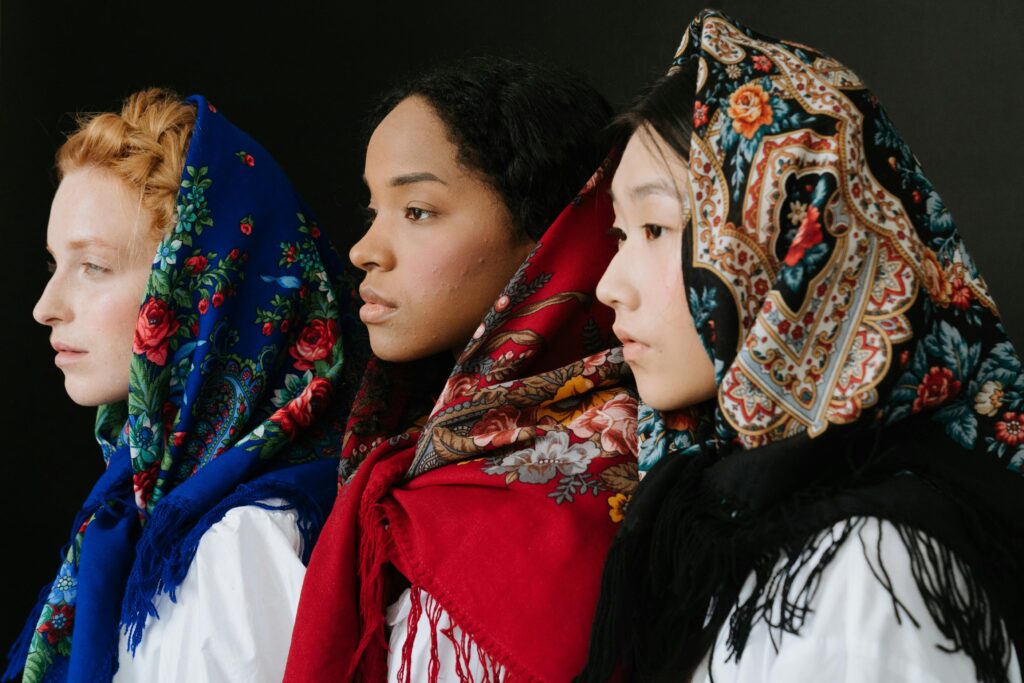
The next time you assemble an outfit, take a moment to think. You’re choosing not only between jeans or slacks, sneakers or footwear. You’re determining how you wish to present yourself in the world that day.
Since apparel is more than mere garments. They are signs, instruments, and occasionally even protection. They serve as small reminders of our origins, mirrors of our feelings, and outlines for who we are evolving into.
That’s the charm of style. It allows us to play, discover, and experiment with identity one outfit at a time. Whether it’s your beloved hoodie or a commanding blazer, what you truly don each morning is assurance, ease, or bravery.
Ultimately, garments represent more than just material. They are garments representing identity—intertwined with narratives, sewn with significance, and ever prepared to assist us in presenting the version of ourselves we desire to be.
These items don’t merely occupy space in your luggage. They turn into mementos of self—reminders of who you were at that particular moment and location. Whenever you put them on at home, it’s as if you’re reconnecting with a part of yourself that felt more liberated, courageous, or inquisitive.





Leave a Reply